 Menu
MenuLisburn, Antrim / Down
Lisburn is a city, predominantly lying on the north-west bank of the River Laggan in County Antrim but partly lying on the river's south-east bank in County Down. The town was founded within, and originally named from, the townland of Lisnagarvy, but quickly spread into the townlands of Old Warren, Tonagh and, across the Laggan in County Down, Largymore, all within the civil parish of Blaris. 20th century growth saw it spread into the townlands of Knockmore, Ballymacoss, Clogher, Aghnahough, Magheralave (Upper Massereene), Magheralave (Upper Belfast), Hilden, Ballymullan and Ballentine. The settlement was founded by Sir Fulke Conway who was granted the land by James I in 1609. He erected a brick bawn, a timber bridge across the Laggan and the chapel of St Thomas. In the 1630s, Sir George Rawdon, acting for Edward Conway, laid out the towns main streets (Market Square, Bridge Street, Castle Street and Bow Street). Rawdon populated the town with English and Welsh settlers. The town considers itself the birthplace of the Irish linen industry. The city is within the council area of Lisburn and Castlereagh.
More...
Place Type: City
Historic County: Antrim / Down
Lat, Long: 54.510912,-6.049121
Grid Reference: J 2640 6425
Townland: Lisnagarvy TD
Civil Parish: Blaris CP
Council Area: Lisburn and Castlereagh CA
Police Area: Northern Ireland PA
Devolved Legislature: Northern Ireland Assembly
GBPN ID: 321688
Entry Type: Main listing (P)
URL: https://gazetteer.org.uk/place/Lisburn,_Antrim_321688
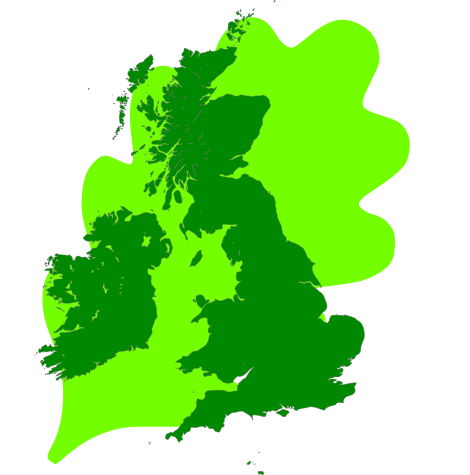 Peruse Antrim / Down on Wikishire
More...
Place Type: City
Historic County: Antrim / Down
Lat, Long: 54.510912,-6.049121
Grid Reference: J 2640 6425
Townland: Lisnagarvy TD
Civil Parish: Blaris CP
Council Area: Lisburn and Castlereagh CA
Police Area: Northern Ireland PA
Devolved Legislature: Northern Ireland Assembly
GBPN ID: 321688
Entry Type: Main listing (P)
URL: https://gazetteer.org.uk/place/Lisburn,_Antrim_321688
Peruse Antrim / Down on WikishireLarge scale manufacture began in 1764 when William Coulson established his first linen looms by the Laggan. By the end of the century John Barbour's Linen Thread Company, established in 1784, was the largest mill of its kind in the world. The industry finally declined after the Second World War, the town's modern economy being based around services and retail. Until the 20th century, Lisburn was little bigger the town Rawdon laid out. The post World War II era has seen massive expansion, with suburban development stretching out into surrounding townlands. The current Lisburn Cathedral, dating from the early 18th century, is the third church on the site of Sir Fulke's original chapel. Lisburn became a city in 2002.